
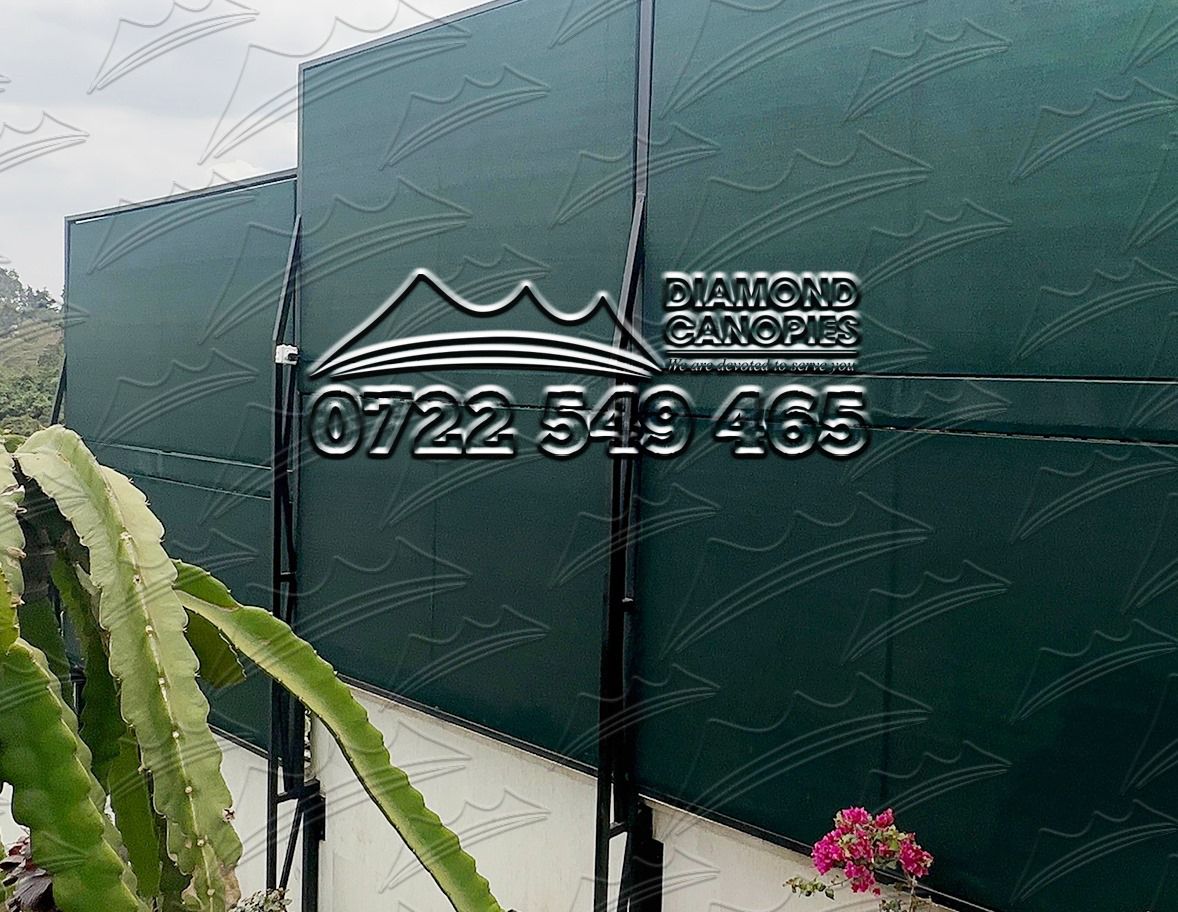
Residential Privacy Screen Fences: Design & Installation Guide (East Africa)
If you’re looking to add privacy, wind protection, and a clean modern look to your home, a privacy screen fence is one of the smartest upgrades you can make. This guide—prepared for Diamond Canopies East Africa Ltd.—covers everything homeowners need to know: styles and materials, design specifications (DS), installation steps, maintenance, and FAQs. It’s tailored for East African homes and climate conditions.
Why Choose a Privacy Screen Fence?
-
Privacy & Comfort: Create quiet outdoor rooms for family time, home offices, gyms, or lounges.
-
Security & Safety: Deters casual intrusion without creating a fortress feel.
-
Sun & Wind Control: Reduce glare and heat gain; shield balconies and patios from prevailing winds.
-
Aesthetics: Elevate kerb appeal with sleek aluminum, composite, timber, or bamboo looks.
-
Low Maintenance Options: Powder-coated aluminum and composites offer long life with minimal upkeep.
-
Flexible: Works on balconies, terraces, boundary walls, rooftop decks, and garden partitions.
Popular Design Styles for East African Homes
(composite privacy fencing Nairobi)-
Slatted Horizontal Screens (Modern Minimal)
-
Evenly spaced slats for airflow and filtered views.
-
Works beautifully with flat-roof modern homes and terraces.
-
-
Vertical Batten Screens (Scandinavian Clean)
-
Tall verticals visually “stretch” boundary lines and complement narrow plots.
-
-
Hybrid Semi-Solid Screens
-
Solid lower section for privacy, open upper section for light/ventilation.
-
Excellent where neighbours are close or on windy plots.
-
-
Perforated Metal Panels
-
Decorative patterns that soften light.
-
Durable and contemporary; great for balconies and stair cores.
-
-
Timber & Bamboo Warmth
-
Natural feel for courtyards and pool decks.
-
Pair with metal subframes for longevity and stability.
-
Best Materials for Longevity & Value
-
Aluminum (Powder-Coated)
-
Pros: Lightweight, rust-proof, many colors, minimal maintenance.
-
Use: Coastal and high-humidity zones; rooftop decks.
-
-
Galvanized Steel (Powder-Coated)
-
Pros: Strong for tall panels and gates; good security.
-
Use: Perimeter fencing and areas with higher wind loads.
-
-
WPC/Composite Boards/composite privacy fencing Nairobi
-
Pros: Timber look without constant oiling; termite-resistant.
-
Use: Family areas, pool edges, and balconies.
-
-
Hardwoods (e.g., teak, mvule)
-
Pros: Premium look and feel.
-
Use: Feature walls or premium residences; requires periodic sealing.
-
-
Bamboo Treated
-
Pros: Sustainable, textured, affordable.
-
Use: Garden partitions; ensure proper treatment against moisture and pests.
-
Design Considerations Before You Build
-
Local By-Laws: Verify allowable fence height and setbacks with your county or estate management (requirements vary across Nairobi, Mombasa, Kisumu, etc.).
-
Wind & Exposure: Coastal and high-altitude sites may require stronger posts, deeper footings, or semi-open panels to reduce wind loading.
-
Drainage & Soil: Clay or sandy soils influence footing depth; ensure proper drainage to avoid post movement.
-
Neighbors & Street Views: Decide sightlines you want to block vs. maintain (e.g., keep a tree view, block a busy road).
-
Access & Services: Leave space for gates, bins, delivery trolleys, and utility meters.
-
Aesthetic Cohesion: Match screen color/texture to fascia boards, window frames, or pergolas for a cohesive exterior.
DS: Design Specifications (Quick Reference)
Below is a homeowner-friendly DS summary to guide scope and ensure accurate quotations. Final specs will be confirmed by Diamond Canopies’ site assessment.
Dimensions & Layout
-
Typical panel height: 1.8–2.4 m for boundary privacy; 1.5–1.8 m for balconies/terraces (subject to by-laws).
-
Panel width: 1.2–2.4 m (wider panels may need mid-rails or thicker posts).
-
Post spacing: 1.8–2.4 m centers (shorter spans for high-wind or heavier materials).
-
Clearances: 10–50 mm above grade for airflow and cleaning; add insect-proofing on request.
Structure & Fixings
-
Posts: 60×60 mm or 80×80 mm aluminum/steel (heavier sections for tall screens).
-
Footings: Concrete pier 300–400 mm diameter; depth commonly 450–700 mm depending on soil/wind (engineer to confirm).
-
Anchors: Chemical anchors/expansion bolts for slab-mounted systems; stainless fixings in coastal zones.
-
Rails & Framing: 40×40 mm or 50×25 mm aluminum/steel; concealed brackets for clean look.
Panels & Finishes
-
Aluminum slats: 65–100 mm height; 10–20 mm gaps (adjust privacy vs. ventilation) - aluminum privacy screens Kenya.
-
Composite boards: 100–150 mm boards with hidden fasteners.
-
Perforated sheets: 1.5–3.0 mm thickness; custom patterns available.
-
Powder coat: Exterior-grade polyester; common colors—Charcoal, Black, Bronze, White.
-
Timber/Bamboo: Pre-sealed; UV oil or water-repellent finish; stainless screws.
Gates & Hardware for privacy screen fence East Africa
-
Hinges: Heavy-duty stainless/galvanized; self-closing options for pool areas.
-
Locks: Keyed or digital; child-safe latches where needed.
-
Automation (optional): Sliding or swing gates, integrated with home access control.
Performance of privacy screen fence East Africa
-
Wind mitigation: Slatted/perforated designs reduce wind pressure vs. solid panels.
-
Privacy: 80–100% visual block options; balance with airflow and light.
-
Durability: Rust-resistant metals, UV-stable finishes, termite-aware choices.
Step-by-Step Installation Overview
Note: Diamond Canopies provides turnkey services: site survey, 3D visualization, fabrication, installation, and aftercare.
-
Site Survey & Concept of aluminum privacy screens Kenya
-
Measure boundaries, slopes, and obstacles.
-
Discuss goals: privacy level, views to preserve, gate locations, color palette.
-
-
Design & Quotation
-
DS confirmed; 2D/3D visuals shared.
-
Select material/finish; confirm heights and post spacing.
-
-
Approvals
-
If required, obtain estate or county approval (Diamond Canopies can guide).
-
-
Fabrication
-
Precision-cut slats/panels; powder-coat under controlled conditions.
-
Prepare gates, latches, and custom brackets.
-
-
Groundworks & Posts
-
Set out lines; excavate footings.
-
Plumb posts in concrete or fix to slab with anchors; verify alignment.
-
-
Panel Installation
-
Install rails, then panels/slats with correct spacing.
-
Ensure consistent gaps; add capping pieces and trims.
-
-
Gates & Hardware
-
Hang gates; adjust hinges and latches.
-
Test swing/clearances; integrate automation if specified.
-
-
Finishing & Handover
-
Seal timber/bamboo if applicable; clean all surfaces.
-
Final inspection; provide maintenance guide and warranty info.
-
Maintenance Tips (By Material) for Residential Privacy Screen Fences
-
Aluminum & Steel
-
Rinse dust/salt monthly in coastal areas.
-
Inspect fixings twice a year; touch up chips promptly.
-
-
Composite/composite privacy fencing Nairobi
-
Wash with mild soap and water; avoid harsh solvents.
-
Check for expansion gaps and re-tension hidden fasteners if needed.
-
-
Timber/Bamboo
-
Re-oil/seal every 6–12 months depending on exposure.
-
Keep base clear of wet soil and fallen leaves to reduce rot risk.
-
Smart Add-Ons You’ll Love on Residential Privacy Screen Fences
-
Integrated Planters: Soften screens with vertical greenery.
-
LED Strip Lighting: Warm ambience and improved nighttime safety.
-
Noise-Softening Layers: Add acoustic underlays for homes near busy roads.
-
Smart Locks & Keypads: Controlled access for staff and deliveries.
-
Matching Pergolas/Carports: Create a unified outdoor living system.
- Aluminum Privacy Screens Kenya
How Diamond Canopies East Africa Can Help to install Privacy Screen Fence Kenya
-
Local Expertise: Designs tailored to East African climates (coastal humidity, highland UV, seasonal winds).
-
Custom Fabrication: Bespoke sizes, colors, and patterns.
-
Quality Finishes: Exterior-grade powder coating and marine-aware hardware.
-
End-to-End Service: From survey and approvals support to installation and aftercare.
-
Warranty & Support: Clear warranties and responsive maintenance packages.
Call to Action: Ready to plan your privacy screen fence? Contact Diamond Canopies East Africa Ltd. for a free site visit and tailored quotation.
Privacy Screen Fence East Africa FAQs
Q1: What’s the best height for a residential privacy screen?
A: Most homes choose 1.8–2.4 m depending on privacy needs and local by-laws. Balconies may use 1.5–1.8 m for safety and sightlines. We’ll advise based on your site and regulations.
Q2: Will a solid screen make wind problems worse?
A: Fully solid panels can trap wind. Slatted or perforated designs reduce pressure and are often better for exposed sites or rooftops.
Q3: Which material needs the least maintenance?
A: Powder-coated aluminum and composite boards are the easiest to maintain—just periodic washing. Timber/bamboo look beautiful but need regular sealing or oiling.
Q4: How long does installation take?
A: Most residential projects install in 2–5 days after fabrication, depending on length, access, and ground conditions.
Q5: Can I add a gate that matches the screen?
A: Yes. We fabricate swing or sliding gates with matching profiles and colors, including smart locks or automation if desired.
Q6: Do you handle approvals?
A: We provide drawings/specs to help you secure estate or county approvals where required and can guide you through the process.
Q7: What about rust near the coast?
A: Choose aluminum or hot-dip galvanized + powder-coated steel with stainless fasteners. Rinse monthly to remove salt spray.
Q8: Can I mount screens on top of an existing wall or slab?
A: Yes. We use chemical anchors or base plates designed for masonry or concrete. If the wall is old or cracked, we may recommend new footings.
Q9: How do I balance privacy with airflow?
A: Consider 10–20 mm slat gaps or perforated panels. We can model airflow and sightlines during design.
Q10: What warranties do you offer?
A: Material and finish warranties vary by product line. We’ll specify coverage for powder coat, structural components, and hardware at quotation.
Why Choose Diamond Canopies for Privacy Screens in Kenya?
✔ High-quality, UV-resistant materials ✔ Custom designs for homes & businesses ✔ Professional installation & after-sales support ✔ Affordable, long-lasting solutions
- Premium HDPE shade-net fabric
📞 Contact Us Today for a Free Consultation!
🚚 COUNTRYWIDE SERVICE DELIVERIES
Diamond Canopies delivers professional installation and after-sales support across Kenya—not just in Nairobi.
📞 Contact Us
-
Email: info@diamondcanopies.com
-
Phone: +254 722 549 465
📍 We Deliver to (but not limited to):
Nakuru · Kisumu · Mombasa · Malindi · Eldoret · Kisii · Migori · Moyale · Lodwar · Marsabit · Maralal · Kapenguria · Kitale · Isiolo · Rumuruti · Webuye · Bungoma · Malaba · Busia · Mumias · Kakamega · Siaya · Luanda · Bondo · Mbita · Homa Bay · Rongo · Sotik · Bomet · Narok · Kericho · Kapsabet · Gilgil · Nyahururu · Nanyuki · Meru · Thika · Maua · Chuka · Limuru · Naivasha · Kitui · Mutomo · Kajiado · Emali · Kitengela · Oloitoktok · Garissa · Mwingi · Kibwezi · Mtito Andei · Voi · Diani · Lamu · Garsen · Kilifi · Mtwapa · Mariakani · Kikuyu · Ngong · Karen · Athi River — and many more!
Upgrade your outdoor space with Kenya’s best privacy screen fences—durable, stylish, and built to last.


